
Your bankroll is the total amount of money you have set aside for gambling, and managing it effectively is crucial to prolonging your gaming experience. Understanding your bankroll starts with knowing how much you can afford to lose without impacting your daily life or financial health. It’s essential to treat this money as entertainment expense and not as an investment or income source, especially if you’re considering options like online casino australia real money gaming. Set clear limits before you engage in any gaming activities to ensure you’re aware of the boundaries of your spending.
A good practice is to divide your bankroll into separate sessions. For example, if your bankroll is $1,000, decide how much you’ll bring to the casino for each visit, say $200. This method helps prevent you from overspending in a single session and encourages disciplined play. By establishing these limits, you can keep a clearer head and might find yourself making smarter decisions at the tables or machines.
Additionally, consider the types of games you enjoy and how they fit into your budget. Some games, like slots, can drain your bankroll faster compared to table games like blackjack or poker, which often require more strategic play. A clear understanding of your bankroll allows you to choose games that align with your comfort level, ensuring your gaming experience remains enjoyable rather than stressful.
The cornerstone of effective bankroll management is setting a budget. Your budget should be based on your disposable income and how much you’re willing to dedicate to gambling for a certain period, whether that’s a week, month, or year. Make sure to account for all your usual expenses and dedicate only the amount that won’t affect your financial responsibilities. This discipline can prevent you from chasing losses and making impulsive decisions during your gaming sessions.
Once you have set a budget, the next step is to stick to it firmly. Avoid the temptation to dip into your regular funds if your gaming session doesn’t go as planned. An important aspect of budgeting is knowing how to walk away, even if you feel an urge to continue playing. Establish a win limit as well, so when you reach a certain profit level, consider cashing out. This strategy can help solidify a more positive gambling experience.

To stay accountable, it can be beneficial to keep a gambling diary. Record your wins, losses, and how much you are spending versus how much you have budgeted. This not only provides clarity about your gaming habits but can also serve as a useful tool for adjustment should you see that your fun is turning into a financial drain. By maintaining awareness, you can make informed decisions about your gambling activity and foster healthier gaming habits.
Selecting the right games is pivotal in managing your bankroll effectively at a casino. Different games come with varying odds, house edges, and volatility levels. For example, games such as blackjack or poker typically offer better chances of winning compared to others like slots, which are more luck-based. Understanding the dynamics of each game can help you allocate your bankroll wisely and choose wagers that align with your financial limits and risk tolerance.
Additionally, consider the betting structures of the games you choose. Some games allow for lower minimum bets, which can extend your playtime and increase the chance to hit a favorable outcome. For instance, many blackjack tables offer betting options that allow players to participate without risking their entire bankroll quickly. Doing your research on the casino’s offerings can ensure you find suitable games that meet your strategic gambling approach.
Don’t forget to take advantage of promotions and bonuses that casinos often offer. These can provide extra funds to play with, which may help stretch your bankroll further. However, be sure to read the fine print associated with bonuses and understand the wagering requirements before applying them. Properly utilizing bonuses can enhance your experience and make your bankroll last longer while giving you more chances to win.
Discipline is perhaps the most critical aspect of successful bankroll management. Once you have set your budget and chosen your games, it’s essential to adhere to the plan you’ve established. This means resisting the urge to chase losses or play beyond your predetermined limits. A significant factor in maintaining discipline is recognizing emotional triggers that could lead to poor decision-making, such as frustration or excitement after a win.
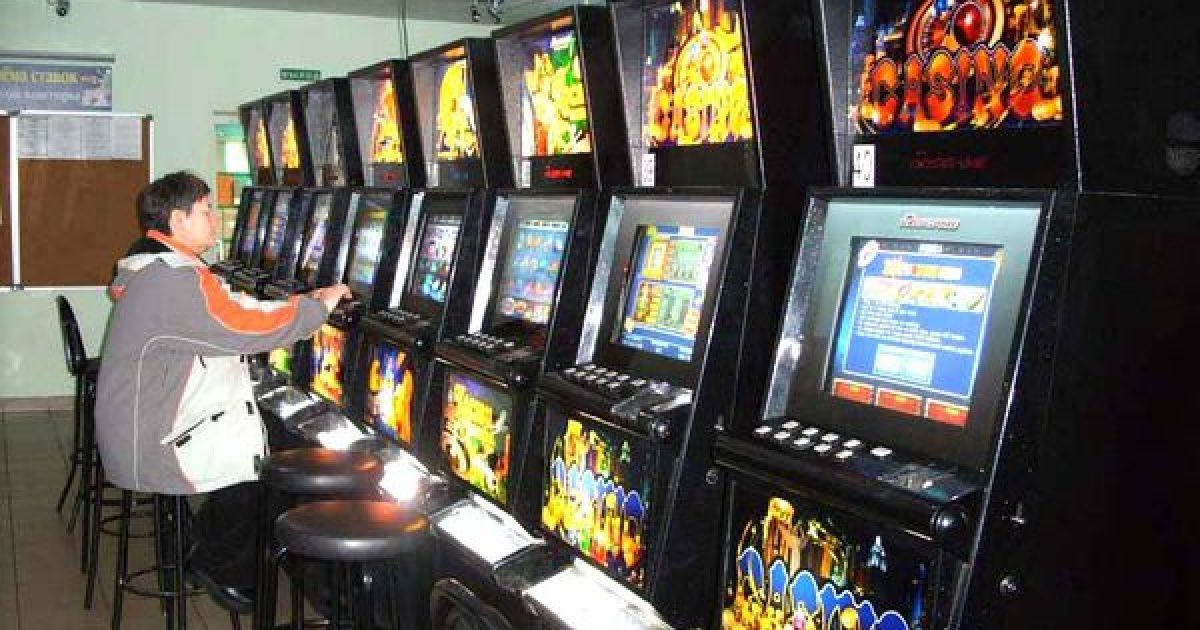
Practice self-control by developing a personal game plan before you start gambling. For instance, decide in advance how long you intend to play and what your maximum loss will be. Stick to your plan even when faced with the temptation to continue playing for “just another round.” By setting these boundaries, you create a framework of control that can lead to a more enjoyable and sustainable gaming experience.
In addition, consider taking breaks during your gambling sessions. Stepping away from the gaming floor can help clear your mind and allow you to reassess your bankroll and decisions. Regular breaks can prevent you from making impulsive bets and help maintain focus on your predefined limits. Remember that gambling should be fun, and maintaining discipline can ensure that you keep it that way.
To enhance your bankroll management skills, consider utilizing online resources and tools specifically designed for responsible gambling. Many casinos and gambling websites offer educational materials that can equip you with strategies and insights. These resources often include guidelines on how to manage your bankroll effectively and tips for recognizing signs of problem gambling.
Furthermore, support groups and forums can be invaluable for individuals looking to share experiences and gain insight from fellow gamblers. Engaging in discussions about bankroll management can lead to new approaches and techniques you may not have considered. Such interactions can foster a sense of community and responsible gambling culture, encouraging a balanced approach to gaming.
Ultimately, the key to effective bankroll management lies in continuous learning and self-awareness. Utilize available tools, engage with the gambling community, and stay mindful of your limits. By developing a strong understanding of your gambling habits and applying the strategies discussed, you can create a more enjoyable and responsible gaming experience that lasts long into the future.